Regulatory position at the ANS
In the repetitive appeal ruling, the STJ treated as satisfied the criterion concerning the absence of an express refusal or pending proposal to update the ANS Rol for the technology.
Brazilian health law · health plans and the SUS
STJ Theme 1.316 established parameters for claims against health plans. Coverage is not automatic: clinical documentation, the prior request and the requirements of the case must be checked.
Informational legal content. It does not replace medical assessment or promise coverage or a court decision.

Medical indication and legal evidence go together
A prescription is necessary, but assessment requires other evidence.
Theme 1.316
Criteria established by the STJ in March 2026
Individual evidence
Prescription, alternative in the Rol and regulatory registration
Sensitive data
Initial contact does not request tests or medical files
Repetitive appeal ruling
Theme 1.316 standardised interpretation concerning continuous insulin infusion systems while retaining technical assessment for each patient.
The STJ recognised the immediate application of Law No 14.454/2022 to health plan contracts and rejected automatic classification of pumps within the statutory exclusions examined. Contract terms excluding the system on that basis are invalid.
As the technology is not in the ANS Rol, the ruling requires compliance with the parameters established by the STF and distinguishes common points already recognised by the court from matters requiring individual proof.
Please note: there is no automatic authorisation. The court requires a prior request, individual evidence and technical assessment; insufficient documentation may lead to refusal.
When to assess the case
The reason for refusal, where the request was made and the available documentation affect the strategy.
Understanding the ruling correctly
Theme 1.316 did not create a single list of six patient documents. It distinguished common criteria, individual requirements and the court's verification duties.
In the repetitive appeal ruling, the STJ treated as satisfied the criterion concerning the absence of an express refusal or pending proposal to update the ANS Rol for the technology.
The decision recognised, as a point common to these cases, high-level scientific evidence of the effectiveness and safety of continuous insulin infusion systems.
The STJ also examined the administrative decision not to incorporate the technology. These common points do not remove the need for individual patient evidence.
A qualified professional must prescribe the requested treatment, identifying it and ensuring consistency with the documented clinical condition.
It must be shown that the options in the ANS Rol do not include a suitable therapeutic substitute for the particular condition.
The equipment requested must have valid regulatory registration. Its model, manufacturer and registration status must be checked.
Judicial assessment must check for a prior request and refusal, unreasonable delay or failure to respond. Keep reference numbers and the written response.
The STJ required prior consultation with NatJus or experts, where available. A prescription is necessary, but must not be the decision's only technical basis.
Two different routes
The legal grounds and responsible authority depend on where the request is made.
Private health plan
Assessment covers the contract, request to the operator, refusal or delay, ANS Rol, prescription, suitable therapeutic alternative, Anvisa registration and judicial technical support.
Sistema Único de Saúde (SUS)
The pump remains unincorporated into the SUS under the official recommendation consulted. The administrative request, evidence, jurisdiction, responsible authority and applicable health litigation standards require specific assessment.
A ruling concerning private plans does not automatically produce the same result in a claim against public authorities.
Documents
This list is a guide. The firm does not produce medical reports or interfere with treatment choices.
The clinical report must be prepared independently by the responsible health professional. The lawyer's role is to check whether the facts and documents meet the applicable criteria.
Before filing
Identifying a gap before administrative or judicial action allows it to be addressed where possible.
Legal advice
The process preserves the purpose of initial contact and separates screening from analysis of medical documents.
The first contact collects only basic details and a summary of the refusal, delay or failure to respond.
We check whether the case involves a private plan, the SUS, reimbursement or enforcement of an existing decision.
The prescription, report, treatment history, reference number, refusal and regulatory registration are examined together.
Depending on the case, this may involve supplementing the request, a regulatory complaint, out-of-court action or court proceedings.
Deadlines, responses, any technical support and compliance with measures are followed up without any promise of an outcome.
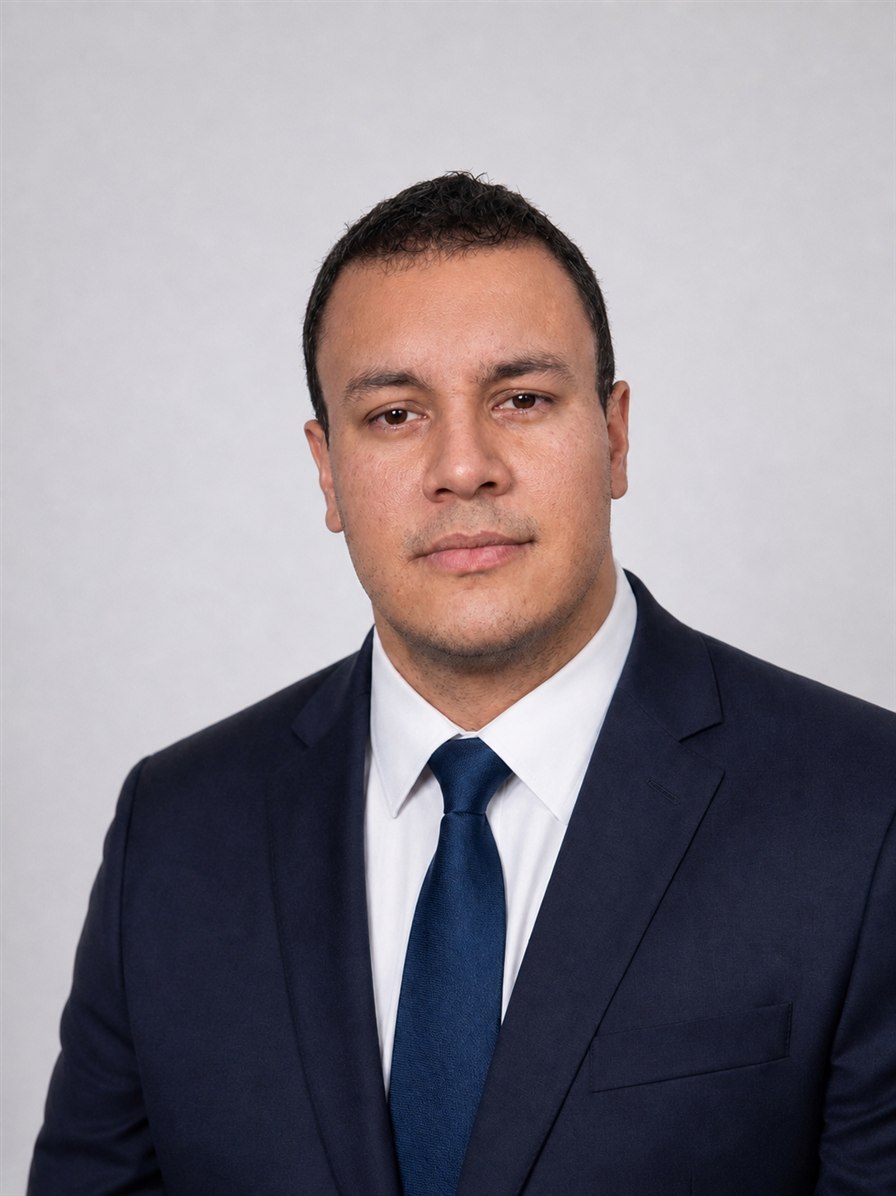
Who advises you
Lawyer with multidisciplinary education and postgraduate qualifications in Brazilian public law and constitutional law, fields relevant to assessing state duties, fundamental rights, contracts and consumer relations in health disputes.
These qualifications are not presented as medical or health law specialisations.
View education and professional registrations →Frequently asked questions
The answers provide general parameters and do not replace individual clinical or legal assessment.
The STJ established criteria for assessing coverage. The ruling prevents automatic exclusion of the system under the statutory provisions examined, but each case must still show a prescription, no suitable alternative in the Rol, valid Anvisa registration and a prior request with refusal, unreasonable delay or failure to respond.
No. The ruling standardised legal criteria but does not replace individual evidence. The court must examine the case and seek technical support where available.
Not necessarily. It is essential, but the STJ directed that a decision must not rely solely on the treating doctor's prescription or report and provided for consultation with NatJus or experts where available.
Theme 1.316 requires a check for a prior request and refusal, unreasonable delay or failure to respond. It is therefore important to register the request and keep all reference numbers.
A clear, traceable response helps explain the reason and prove what happened. Ask for a formal response and keep reference numbers, messages and documents received.
After contacting the operator and keeping the reference number, the beneficiary can complain to the ANS through its Preliminary Mediation Notification (Notificação de Intermediação Preliminar). Its usefulness depends on the urgency and circumstances.
Equipment and supplies must be identified in the prescription and administrative request. Coverage of each item must be assessed according to its purpose, registration, contract and case documents; general coverage of any material should not be presumed.
Whether there is a suitable therapeutic alternative in the Rol is central. If the treating doctor considers the alternative unsuitable, the report must explain the technical reasons, which will still be assessed in the proceedings.
Urgent measures may be considered where evidence shows a likelihood of entitlement and risk of harm. Whether and when relief is granted depends on the evidence and the court's decision.
Reimbursement may be argued in some situations, but depends on the contract, refusal, urgency, proof of payment and applicable case law. It is not automatic.
Continuous insulin infusion technology remains unincorporated into the SUS under the official recommendation consulted. This does not make court action automatic: the administrative request, evidence, jurisdiction, responsible authority and standards for health litigation must be assessed individually.
Theme 1.316 was decided in a dispute concerning health plan operators. Claims against public authorities follow a different legal framework and require their own assessment.
No. The firm does not prescribe treatments, change medical care or prepare clinical reports. Treatment decisions must be made with qualified health professionals.
Do not send tests, diagnoses, ICD codes, prescriptions or medical files through this initial form. Health data is sensitive; if the assessment proceeds, the firm will identify an appropriate channel for the documents needed.
Yes. The firm offers online appointments throughout Brazil and in-person appointments in Ceilândia Sul, Brasília/DF, depending on availability and the nature of the matter.
Useful navigation
WhatsApp messages can be received in different languages. Telephone calls are available in Portuguese, English and Spanish.
Initial contact
Give your contact details, city, plan or authority involved and briefly state whether there was refusal, delay or failure to respond.
Protection of health data
Do not include diagnoses, ICD codes, test results or clinical details, or send prescriptions or medical files at this initial contact. Health data is sensitive; if assessment proceeds, the firm will identify an appropriate channel.