Skip to content

Brazilian Social Security Law · INSS

Did you work on the land but the INSS does not recognise the time?

Rural working time may qualify you for a rural retirement pension, even without INSS contributions. Evidence is usually the main obstacle. Have your case checked with legal advice — online appointments throughout Brazil.

General information only. Each case is assessed individually.

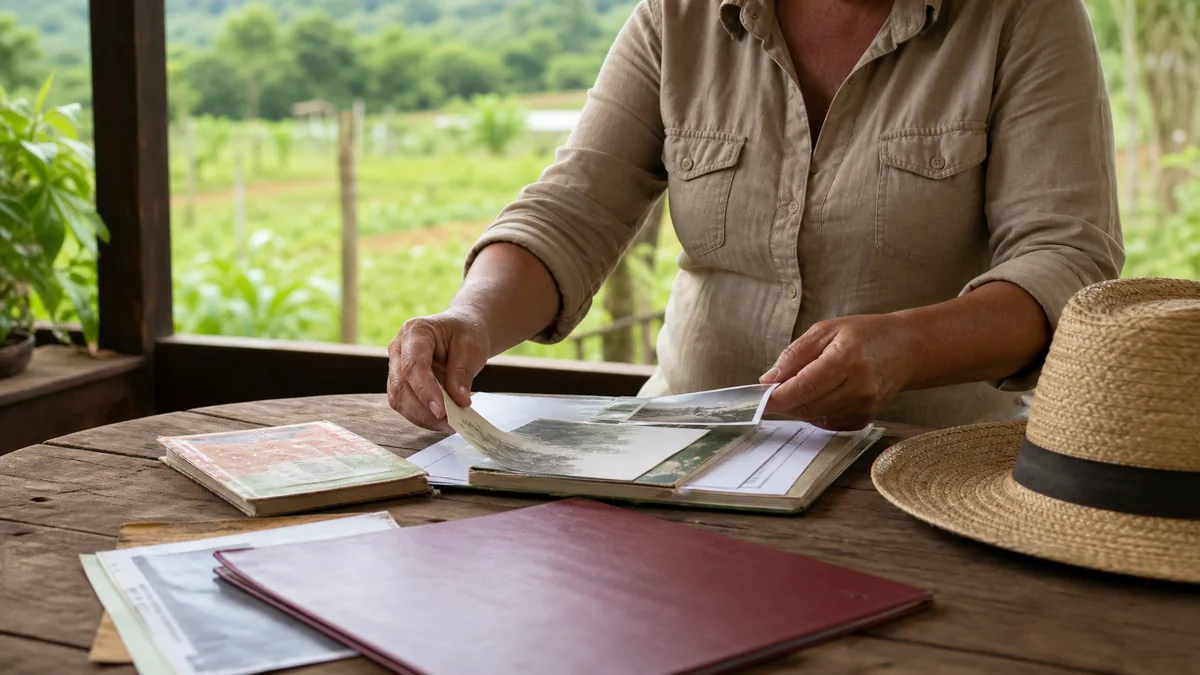
Documents of rural activity organised on a smallholding

Online advice

For clients throughout Brazil, without leaving home

Registration with 6 regional OAB branches in Brazil

DF, GO, SP, MG, ES and PR

Documents via WhatsApp

Digital submission without travel

Understand the benefit

What is a rural retirement pension?

Rural retirement benefits are Brazilian social security benefits for people who worked in agriculture, livestock farming, artisanal fishing or gathering forest products. The law recognises that these working conditions are more demanding and therefore applies specific rules, with a minimum age of 60 for men and 55 for women.

The key point is that the special insured person (segurado especial), working individually or in a family subsistence farming arrangement, does not need to prove INSS contributions. They must prove the rural activity itself.

These rules were not changed by the Social Security Reform (EC 103/2019) and remain in force in 2026. In practice, the main difficulty is not having entitlement but demonstrating it with the right documents.
Check your situation

You may fall within the category if…

The list covers the most common situations. Identifying with an item does not establish entitlement, but indicates that a case assessment may be worthwhile.

  • You worked on the land, growing crops, raising animals or in a family subsistence farming arrangement.
  • You are an artisanal fisher, forest product gatherer, small-scale miner or rubber tapper.
  • You worked as a rural day worker or boia-fria without formally registered employment.
  • You had formally registered employment as a rural worker on a farm, smallholding or at a processing plant.
  • You worked in the countryside when young and later moved to a city.
  • You are a rural worker's widow or widower and helped on the family's land.

Rules in force in 2026

Requirements for rural retirement benefits based on age

Minimum age

60 / 55

60 for men and 55 for women for rural retirement benefits based on age.Article 201, paragraph 7, II, of the Brazilian Constitution (CF/88) and Article 48, paragraph 1, of Law No 8.213/91.

Period of activity

15 years

As a rule, 180 months of proven rural work, even with interruptions, subject to the category, the date when requirements were met and any acquired entitlement. Urban periods require separate assessment and do not automatically complete entitlement at the reduced rural retirement age.Articles 39, I, and 48, paragraphs 1 and 2, of Law No 8.213/91 (segurado especial).

Important: a special insured person need not have contributed to the INSS. What must be proved is rural activity, individually or within a family subsistence farming arrangement.

The most common stumbling block

How rural working time is proved

Evidence begins with the Special Insured Person's Self-Declaration, an electronic form available in Meu INSS. It has been the main means of evidence since Law 13.846/2019, but does not secure a benefit on its own: documents and public database cross-checks must corroborate it (INCRA, ITR, Pronaf, SIPRA, CadÚnico).

Three established legal positions are often decisive, yet are not always known to people applying without assistance:

  • Documents need not cover the entire period

    STJ Súmula 577 and Theme 554: initial documentary evidence supplemented by other evidence is sufficient.

  • Documents in family members’ names may serve as evidence

    Articles 55, paragraph 3, and 106 of Law No 8.213/91: family documents require assessment of content and context. TNU Theme 327 concerns a spouse's or partner's document identifying them as a rural employee, for a benefit as a segurado especial.

  • Witness evidence supplements documents

    Where documents do not span the 15 years, Justificação Administrativa may be requested with 2 to 6 witnesses (IN 128/2022, Article 570), or witness evidence may be produced in court.

Gather what you already have

Documents that may help prove the activity

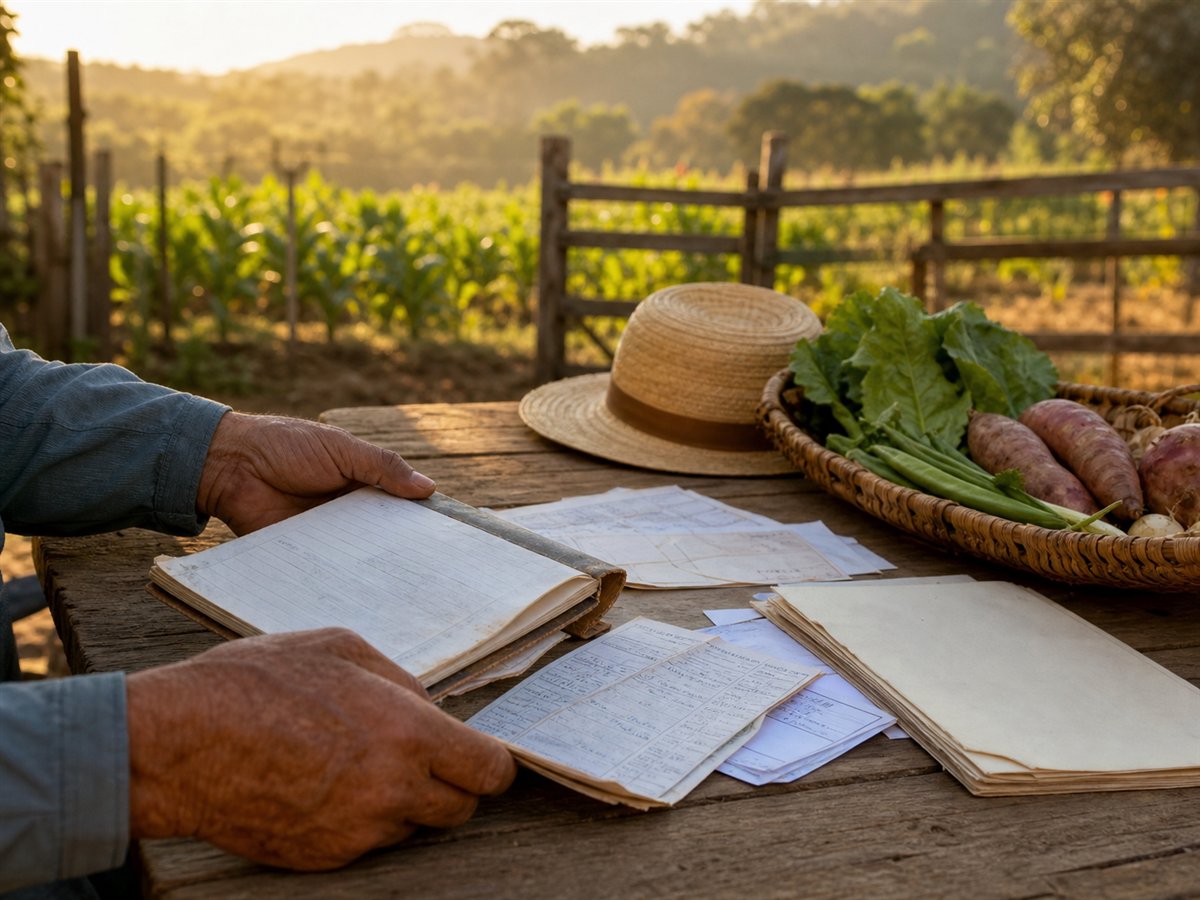
The statutory list is not exhaustive. Any document showing rural activity may be useful, including old papers kept at home.

Special Insured Person's Self-Declaration

Electronic form in Meu INSS. It has been the main means of evidence since Law 13.846/2019, but must be corroborated by documents.

Rural producer's invoice book or invoices

Production delivery notes, producer's invoice book and evidence of sales to cooperatives or at markets.

Lease, agricultural partnership or loan-for-use agreements

Documents showing cultivation or exploitation of the land, even if you do not own it.

Public registers

INCRA (CCIR), ITR, Pronaf Eligibility Declaration (DAP/CAF), SIPRA and CadÚnico with a rural address.

Certificates and civil records

Marriage certificate, children's birth certificates or property records stating the occupation as “lavrador” or “agricultor” (agricultural worker or farmer).

School records and medical documents

Rural school enrolment, health centre records and medical records indicating rural residence or work.

Documents in family members' names

Documents in a spouse's, parents' or another family member's name may serve as initial documentary evidence, depending on their content and the context of the activity (Articles 55, paragraph 3, and 106 of Law No 8.213/91). TNU Theme 327 specifically concerns a spouse's or partner's document identifying them as a rural employee, for a benefit as a segurado especial, Brazil's special category of insured persons.

Witnesses

Neighbours, local traders and former employers may be heard through Justificação Administrativa, an INSS procedure, or in court to supplement documentary evidence.

Do you lack some of these documents? That is common. Some can be obtained from Brazilian notarial and registry offices, trade unions, cooperatives and public bodies while preparing the application.

Want to know whether your rural working time can be recognised?

Describe your situation via WhatsApp. Advice is available online throughout Brazil.

Contact us on WhatsApp

Common cases

Common situations handled

  • The INSS refused the application for lack of evidence of rural activity.
  • The INSS recognised only part of the rural work period, leaving the person without the benefit.
  • The person meets the minimum age but does not know which documents to gather.
  • The self-declaration was completed without assistance and the application was refused.
  • Documents for the period are in the husband's, wife's or parents' names.
  • There were alternating periods of rural and urban work.
  • The application has been pending at the INSS for a long time without assessment.
  • The matter concerns a rural worker's survivor's pension or maternity benefit.

Transparency

What commonly leads to refusal

Understanding obstacles before filing avoids wasted time and helps prepare the documentation.

  • Lack of initial documentary evidence contemporaneous with the claimed period.
  • Urban employment undermining family subsistence farming as the main source of livelihood.
  • Rural operations on an area exceeding 4 fiscal modules, a Brazilian land measurement classification.
  • Paid work outside the countryside for more than 120 days in the year.
  • Out-of-date INCRA, Pronaf or CadÚnico registration.
  • Lack of continuity of rural activity in the period immediately preceding the application.

None of these points automatically rules out entitlement. Several may be disputed administratively or in court, according to the individual circumstances.

Online advice

How the firm can assist with your case

  1. 01

    Initial discussion

    You describe your rural working history by WhatsApp or video call. Plain language, without legal jargon.

  2. 02

    Document assessment

    Checking what you already have, what is missing and which public registers can be consulted.

  3. 03

    Case strategy

    Determining the best route: administrative application, appeal or court action, according to the circumstances.

  4. 04

    Filing and follow-up

    Preparing the self-declaration, gathering evidence, filing with the INSS and following up requests.

  5. 05

    Court action, if needed

    If the application is refused, assessing and bringing the appropriate action, with witness evidence.

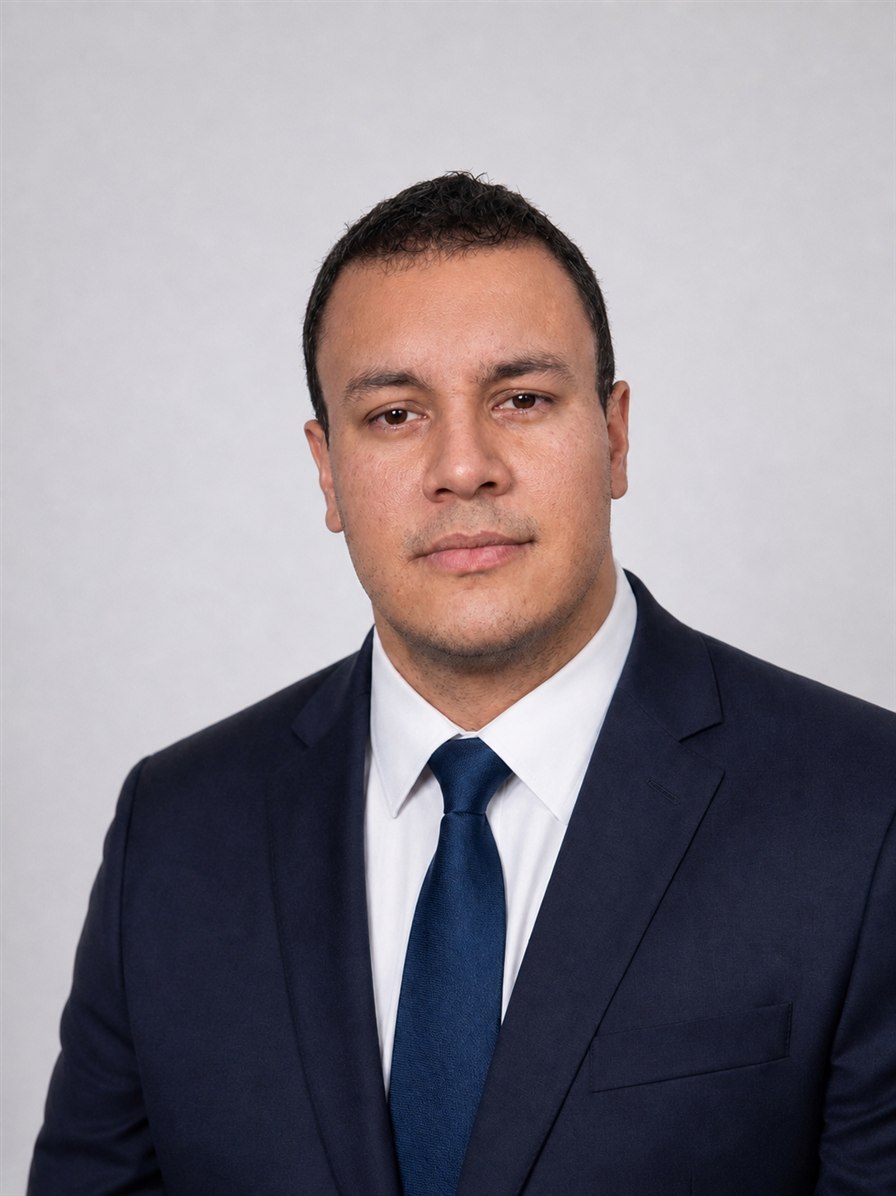
Alex Rodrigues Alves, the lawyer responsible for rural retirement pension advice

Who advises you

Alex Rodrigues Alves

Lawyer with multidisciplinary education in law, accounting and economics, and a postgraduate qualification in Brazilian social protection law — social security law and practice. Work guided by technical case assessment, clear communication and ethical responsibility.

Lawyer responsible: Alex Rodrigues Alves

  • OAB/DF nº 46.260
  • OAB/GO nº 64.591
  • OAB/SP nº 508.634
  • OAB/MG nº 230.667
  • OAB/ES nº 44.334
  • OAB/PR nº 136.193

Alves Rodrigues Sociedade Individual de Advocacia — OAB/DF nº 7.850/23 — CNPJ 50.183.869/0001-97. Law firm offering in-person appointments in Ceilândia Sul, Brasília/DF, and online Brazilian legal advice to clients in other Brazilian cities and states.

Frequently asked questions

Frequently asked questions about rural retirement pensions

At what age can rural workers retire?

The minimum age is 60 for men and 55 for women under Article 201, paragraph 7, II, of the Brazilian Constitution and Article 48, paragraph 1, of Law No 8.213/91. The pension reform did not change this rule, which remains in force in 2026.

Must I have contributed to the INSS?

A segurado especial — someone working in a family subsistence arrangement, an artisanal fisher or a gatherer of forest products — does not need to prove contributions but must prove rural work. Rural employees and individual contributors follow their own contribution rules.

How many years of rural work are required?

As a rule, 180 months, equivalent to 15 years of rural work, are required, even if discontinuous, subject to classification, the date when the requirements were met and any acquired entitlement. Articles 39, I, and 48, paragraphs 1 and 2, of Law No 8.213/91 apply to the segurado especial; other categories require contributions to be assessed. Interrupted rural periods may be considered, but urban periods do not automatically complete entitlement at the reduced rural retirement age. Hybrid retirement benefits have their own requirements.

I do not have documents for the whole period. Is it still possible?

Yes. Under STJ Súmula 577 and Theme 554, documents need not cover the whole required period. They provide initial documentary evidence and may be supplemented by witness evidence and checks of public databases.

My husband worked on the land and the documents are in his name. Can they be used?

They may help, depending on the document's content and family context. Articles 55, paragraph 3, and 106 of Law No 8.213/91 must be considered in assessing the evidence. In Theme 327, the TNU recognised documents in a spouse's or partner's name identifying them as a rural employee as initial documentary evidence for a benefit as a segurado especial. Other situations require their own assessment and possible supplementary evidence.

How much is a rural retirement pension?

For a segurado especial, the benefit is 1 Brazilian minimum wage. For rural employees and individual contributors, calculation follows the general rules based on average contribution salaries.

How long does it take?

The timeframe varies with the route and INSS assessment. Well-supported administrative applications tend to be quicker; cases requiring court action depend on judicial proceedings. Each situation is assessed individually and the client is informed of progress.

Are appointments in person or online?

Advice is provided online to clients throughout Brazil by WhatsApp, email and video call, with documents sent digitally. In-person appointments are also available at the firm in Ceilândia Sul, Brasília/DF.

How are legal fees arranged?

Fees are set by written agreement in accordance with the OAB fee schedule and Code of Ethics and Discipline, and clearly explained before engagement.

Related content

WhatsApp messages can be received in different languages. Telephone calls are available in Portuguese, English and Spanish.

Submit your case

Request a case assessment

Complete the details below. We reply through the WhatsApp number or email provided.

This form prepares a message in your browser. Avoid health information, information about children and details of legal proceedings. See the Privacy Policy.

By submitting this form, you acknowledge that the details provided will be used for contact and initial assessment of your enquiry, in accordance with thePrivacy Policy.

Regional advice

Rural guidance by state

Regional pages explore common evidence issues in greater depth, maintaining the same social security requirements and individual assessment.

Prefer direct contact?

Online advice throughout Brazil and in-person appointments in Ceilândia Sul, Brasília/DF.

QNM 01 Conjunto H, Lote 40, Sala 102, Ceilândia Sul, Brasília/DF, CEP 72215-018
Monday to Friday, from 8 to 17 (Brasília time).

WhatsApp