Nature
- BPC:
- Social assistance benefit provided for in the Constitution and LOAS
- Retirement pension:
- Social security benefit from the scheme to which the person belonged
Social assistance benefit · LOAS
The Benefício de Prestação Continuada guarantees one minimum wage per month to older people meeting the statutory requirements, even without previous INSS contributions. The family income calculation is often the most sensitive part of the assessment.
General information. Entitlement depends on an individual assessment of the case.
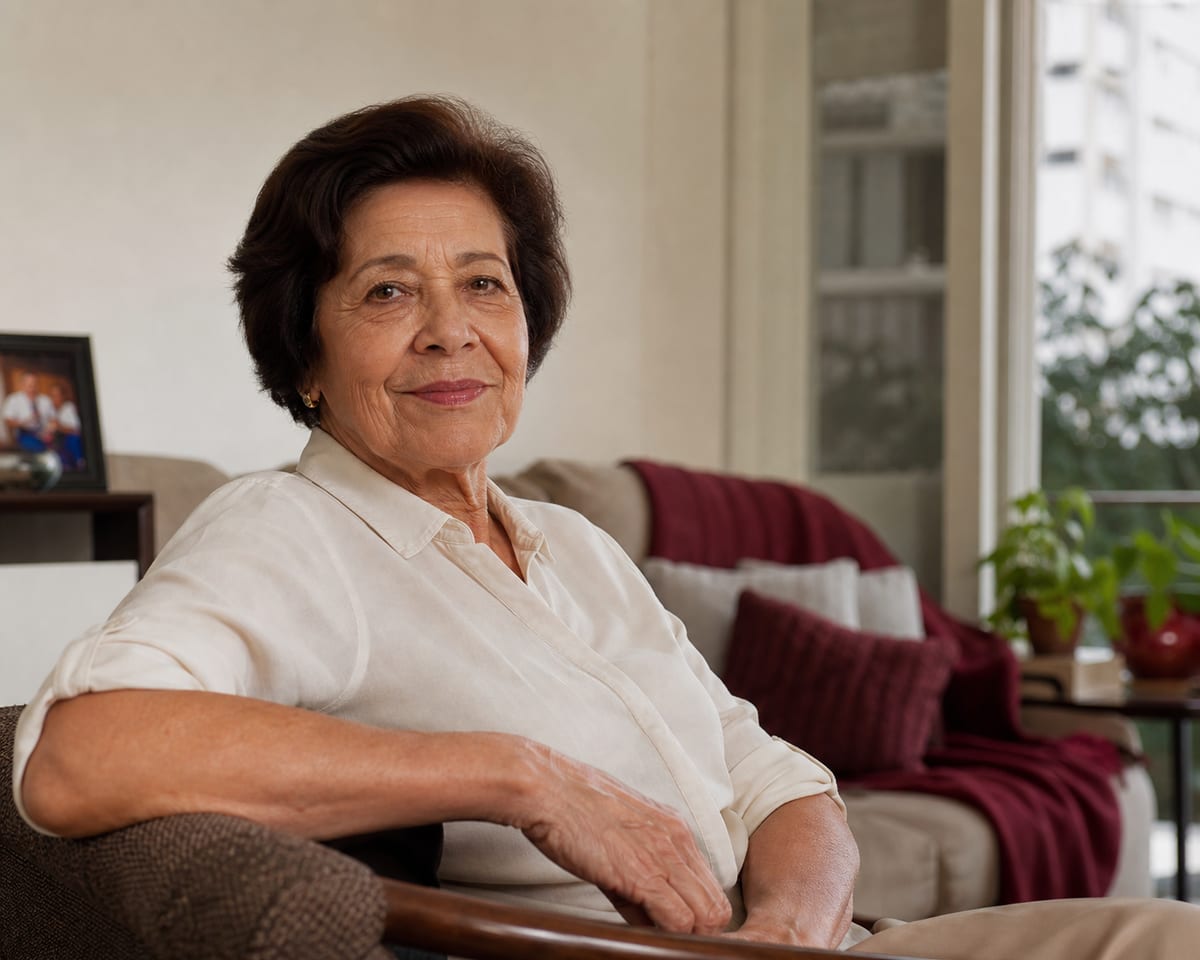
No previous contributions
BPC is social assistance and does not depend on INSS contributions
Not a retirement pension
No 13th-month payment or survivor's pension
Online advice
Documents and information can be sent digitally
Understand the benefit
Its official name is Benefício de Prestação Continuada (Continuous Cash Benefit), provided for in article 203, V, of the Constitution and regulated by Law No. 8.742/1993, the LOAS. This is why many people search for the service as “BPC/LOAS”.
For older people, the minimum age of 65, residence in Brazil, compliant registration and biometrics, and the family group's financial circumstances are assessed together.
The benefit is individual, requires no contributions and equals one minimum wage per month. However, it pays no 13th-month payment, provides no survivor's pension and may be reviewedif family income or information changes.
Check your situation
Recognising your situation here does not automatically establish entitlement, but helps identify what needs checking.
An important difference
Although both are paid by the INSS, the benefits have different requirements and consequences.
Worth checking first: someone who has contributed to the INSS at any time may need to compare BPC with a possible retirement pension. The CNIS social information database and social security history help identify which benefit should be assessed.
Main rules
Minimum age
65 years
Completed by men and women on the application date.
Income per person
Up to R$ 405.25
One quarter of the 2026 minimum wage, after permitted exclusions and deductions.
Monthly amount
R$ 1,621.00
One minimum wage in 2026, without an annual bonus.
Payment starting date: when awarded, the benefit is generally payable from the application date. If assessment takes time, the months between application and award may be paid. It is not automatically backdated to the date the person turned 65.
The most sensitive point
Simply adding up every resident's entire income is not enough. The law defines who belongs to the group and which amounts may be excluded or deducted.
The applicant, spouse or partner, parents and, if one is absent, a stepmother or stepfather, unmarried siblings, unmarried children and stepchildren, and minors under guardianship, provided they live under the same roof. Other residents are not automatically included in the calculation.
BPC received by another older person or a person with a disability is excluded. A social security benefit of up to one minimum wage received by someone over 65 or a person with a disability may also be excluded, subject to current rules.
Health treatment, medicines, nappies or incontinence products, special food and necessary services may be considered where not provided free of charge by SUS or SUAS. Deductions depend on medical documents, refusal of provision and the evidence required by the regulations.
The INSS applies the statutory administrative limit after permitted exclusions and deductions. Case law allows vulnerability to be assessed using other evidence, but this does not mean automatic approval: all the evidence and the reason for refusal must be examined individually.
Was the application refused because of income?
CadÚnico, income sources and ongoing expenses must tell the same story.
Organise what is already available
The list is not exhaustive. Each document's usefulness depends on family composition, income and the application's stage.
Applicant's photo identification and CPF individual tax registration number. Registration details must match official records.
The family group's registration must have been updated within the last 24 months and include every member's CPF.
Documents and data identifying relationships, marital status and who actually belongs to the BPC family group.
Payslips, benefit statements, pensions, formal or informal earnings and other income received by the family.
Prescriptions, reports, invoices and receipts for medicines, nappies or incontinence products, special food and necessary treatment.
Document showing that the necessary treatment, product or service is not provided free of charge by Brazil's public health system (SUS) or social assistance system (SUAS), where applicable.
Application receipt, refusal letter, requests for information, notices, defence submissions or a suspension decision, if an application already exists.
Brazilian National Identity Card or biometric data available in official databases accepted under current regulations.
Common cases
Transparency
Knowing the weak points helps avoid inconsistencies and respond properly to requests for information.
No item determines the outcome on its own. The INSS decision and the family's actual circumstances must be analysed together.
Legal advice
Establishing age, who lives in the home, income sources and application history.
Identifying family group members and the income, exclusions and deductions applicable to the calculation.
Checking CadÚnico, CPF, biometrics and consistency of information in official databases.
Organising documents, filing and following up INSS requests or communications.
Analysing the decision and assessing, with reasons, a defence, appeal, new application or court action.
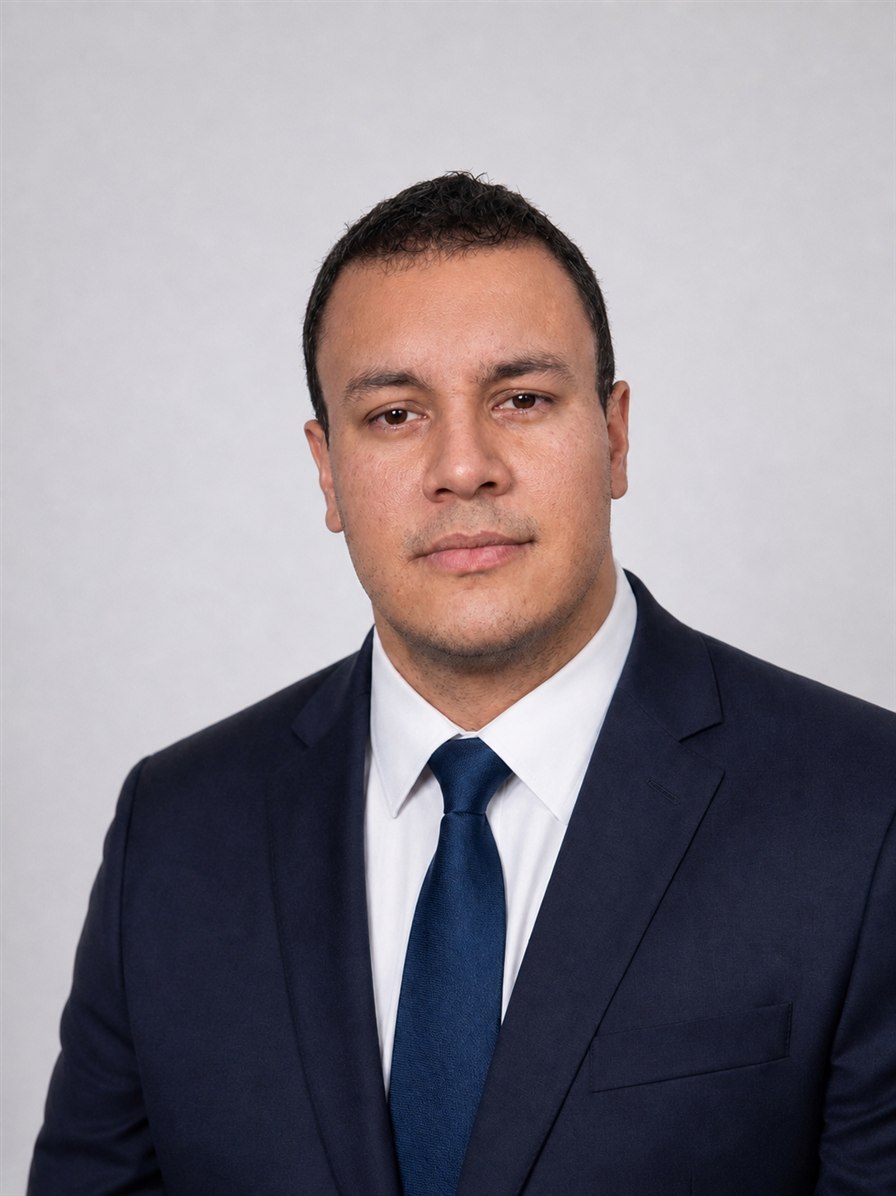
Who advises you
Lawyer with multidisciplinary education and specialisations directly related to Social Protection, Social Security Law and Public Law in Brazil.
Lawyer responsible: Alex Rodrigues Alves
OAB/DF nº 46.260 | OAB/GO nº 64.591 | OAB/SP nº 508.634 | OAB/MG nº 230.667 | OAB/ES nº 44.334 | OAB/PR nº 136.193
Frequently asked questions
No. BPC is a social assistance benefit. It requires no INSS contributions, but pays no 13th-month payment, creates no survivor's pension and is reviewed to check continuing eligibility.
The person must be aged 65 or over, whether a man or a woman. For someone under 65, older age alone does not qualify them for BPC; the disability benefit has different requirements.
BPC equals one minimum wage per month. In 2026, Brazil's national minimum wage is R$ 1,621.00. The amount changes when the minimum wage is adjusted.
For administrative assessment, the general rule requires monthly family income per person no greater than one quarter of the minimum wage, equivalent to R$ 405.25 in 2026, after permitted exclusions and deductions. Vulnerability and any refusal must be examined individually.
Provided they live under the same roof, it includes the applicant, spouse or partner, parents and, if one is absent, a stepmother or stepfather, unmarried siblings, unmarried children and stepchildren, and minors under guardianship. Other residents, such as aunts, uncles, cousins, friends and married children, are not automatically included.
Yes, if each meets the requirements. BPC awarded to another older person or a person with a disability is excluded from income for the new application. A social security benefit of up to one minimum wage received by someone over 65 or a person with a disability may also be excluded under current rules.
Certain ongoing health, treatment, incontinence product, special food and medicine expenses may be deducted where necessary to preserve health and life and not provided free of charge by SUS or SUAS. The regulations require specific documentation.
Administratively, the INSS applies the statutory limit after permitted exclusions and deductions. However, case law allows vulnerability to be assessed beyond a mathematical calculation alone. A refusal for income above the limit must be analysed without promising an outcome.
Yes. The family group must be registered in CadÚnico, with every member's CPF and an update within the last 24 months. Changes in address, income or family composition must also be reported.
Current regulations require biometric registration in an accepted official database. For new applications, its absence may lead to a request for compliance. For existing recipients, implementation is gradual and official notices must be followed.
Older people's BPC does not require evidence of disability or a medical examination for that purpose. Biopsychosocial assessment applies to disability BPC. The INSS may still request attendance to clarify information that cannot be checked remotely.
As a rule, the recipient cannot combine BPC with a retirement pension, survivor's pension, unemployment benefit or another incompatible benefit. Specific statutory exceptions, such as healthcare and special compensatory pensions, must be checked in the individual case.
Not automatically. When awarded, BPC is generally payable from the application date. If assessment takes time, arrears may be due between application and award; the benefit is not backdated simply because the person turned 65 before applying.
Yes. BPC is reviewed periodically and may be blocked, suspended or terminated for registration inconsistencies, incompatible income, prohibited benefit combinations or failure to attend when summoned. Notice and defence procedures must be followed before termination.
Advice is available online throughout Brazil, with digital document submission. In-person appointments are also available at the office in Ceilândia Sul, Brasília/DF.
Fees are set in a written agreement according to the OAB fee schedule and the characteristics of the service, and presented before any engagement.
Related content
Brazilian social security law
Learn who qualifies for older people’s BPC/LOAS in Brazil, how to calculate family income, update CadÚnico and organise the application documents.
29 July 2026
WhatsApp messages can be received in different languages. Telephone calls are available in Portuguese, English and Spanish.
Submit your case
Give only the general subject, without income, health or family details. The preview displays your message locally.
Online advice throughout Brazil and in-person appointments in Ceilândia Sul, Brasília/DF.
QNM 01 Conjunto H, Lote 40, Sala 102, Ceilândia Sul, Brasília/DF, CEP 72215-018
Monday to Friday, 8 am to 5 pm.