Long-term impairment
Assessment considers a physical, mental, intellectual or sensory impairment that interacts with barriers and has effects lasting at least two years.
Social assistance benefit · People with disabilities
The benefit requires low income and assessment of long-term impairments together with the barriers experienced. Medical, social and family documents must form a consistent picture.
General information. A diagnosis alone does not establish entitlement and no award is promised.
No minimum age
Children, teenagers and adults can be assessed
Biopsychosocial assessment
Diagnosis, impairments and barriers are considered together
One minimum wage
Social assistance benefit without a requirement for previous contributions
Understand the criterion
BPC guarantees one minimum wage per month to a person with a disability unable to support themselves or be supported by their family, subject to the Constitution and LOAS requirements.
For this benefit, disability arises from the interaction between a long-term impairment and barriers hindering full and effective participation in society. The effects must persist for at least two years.
The INSS therefore carries out medical and social assessment. It may consider mobility, communication, learning, self-care, routine, environment, support network and social participation, as well as health reports.
Main rules
None of these points alone guarantees or rules out entitlement.
Assessment considers a physical, mental, intellectual or sensory impairment that interacts with barriers and has effects lasting at least two years.
A medical diagnosis is important but does not conclude the assessment. Autonomy, communication, mobility, learning, care and participation in society are also considered.
The administrative rule starts from monthly income per person no greater than one quarter of the minimum wage, after permitted exclusions and deductions.
The family group must be registered in CadÚnico, with members' CPF numbers and information updated within the last 24 months.
Common situations
Was the application refused?
Refusal based on disability, income or registration requires different strategies.
Document organisation
The list is a guide. Each document's value depends on barriers, age, routine and the reason given by the INSS.
Identification and Brazilian individual tax registration (CPF) numbers of the applicant and family members living in the same home.
Registration summary, family composition, address and income information consistent with the current situation.
Medical and multidisciplinary reports with history, functional limitations, treatment, prognosis and duration of impairments.
Examinations, prescriptions, medical records, referrals and records helping demonstrate how the condition has developed.
School, therapeutic or social care reports and records of mobility, communication, learning, self-care and support required.
Evidence of income and ongoing spending on health, treatment, nappies, special food and essential services.
Evidence that the necessary product, treatment or service is not provided free of charge by Brazil's SUS health system or SUAS social assistance system, where that deduction is relevant.
Application receipt, requests, assessment reports, refusal letter, notices and decisions already issued.
Different benefits
Disability may be relevant to different benefits, but the criteria are not the same.
Check the contribution history: CNIS, employment records and contributions may indicate another benefit should be assessed before choosing a route.
Legal advice
Establishing disability, barriers experienced, daily routine, family composition, income and application history.
Checking medical, social, school, therapeutic, registration and financial documents relevant to the case.
Checking the family group, income, possible exclusions, CadÚnico, CPF and biometrics.
Preparing the application and providing guidance for the social assessment and medical examination, without rehearsed answers or a guaranteed outcome.
If there is refusal, suspension or termination, analysing the reasons to choose between an appeal, a new application or court action.
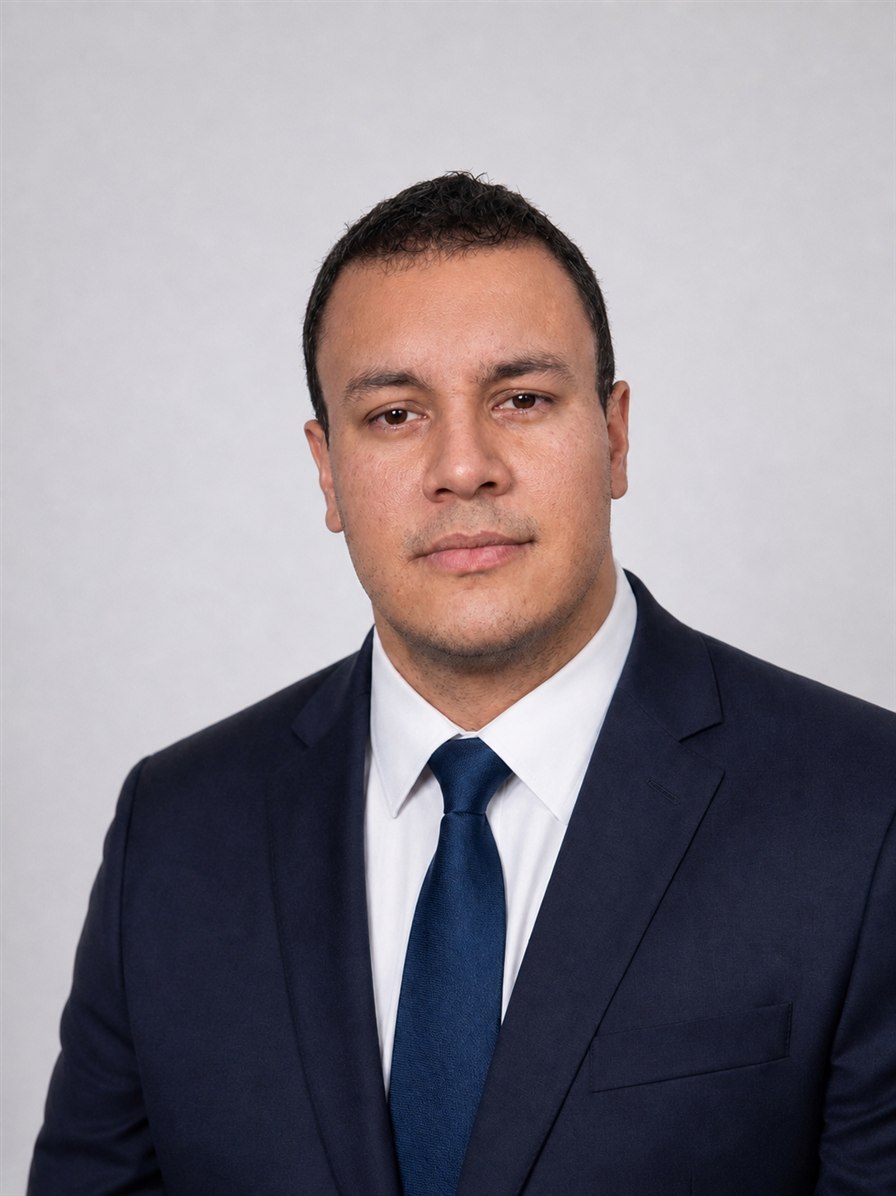
Who advises you
Lawyer with multidisciplinary education and specialisations related to Social Protection, Social Security Law and Public Law in Brazil.
Lawyer responsible: Alex Rodrigues Alves
OAB/DF nº 46.260 | OAB/GO nº 64.591 | OAB/SP nº 508.634 | OAB/MG nº 230.667 | OAB/ES nº 44.334 | OAB/PR nº 136.193
Frequently asked questions
BPC requires a long-term physical, mental, intellectual or sensory impairment that, in interaction with barriers, may hinder full and effective participation in society. Its effects must last at least two years. The conclusion depends on biopsychosocial assessment.
No. Diagnosis, the CID/ICD classification, examinations and reports are relevant but do not guarantee the benefit on their own. Assessment considers the impairment's effects, barriers, support needs and the family's financial circumstances.
Yes, because disability BPC has no minimum age. For children and teenagers, assessment considers impairments, barriers, support needs and the impact on age-appropriate participation, as well as family income.
A diagnosis of autism spectrum disorder does not mean automatic award. The INSS assesses long-term impairments, barriers and social participation together with income and the family's other requirements.
No. BPC is social assistance and requires no previous contributions. However, someone with a contribution history may need to compare BPC with a social security incapacity benefit or disability retirement pension.
The administrative rule considers monthly family income per person no greater than one quarter of the minimum wage, equivalent to R$ 405.25 in 2026, after permitted exclusions and deductions. A refusal must be analysed according to the case's information and evidence.
Certain ongoing expenses for health, medicines, nappies, special food and services may be deducted where necessary and not provided free of charge by SUS or SUAS. Deduction depends on the required documentation.
It combines a medical examination and social assessment. It goes beyond the illness, examining impairments, environmental factors, activities, social participation and barriers faced by the person.
Where inability to travel is established, assessment may take place at home or at the institution where the person is hospitalised or accommodated, under the procedural rules.
As a rule, paid work suspends disability BPC. Depending on income and the other requirements, there may be entitlement to auxílio-inclusão. The case must be assessed before reaching a conclusion.
Yes. The benefit may undergo reassessment and registration and financial reviews. Current rules provide for exemption from a further medical assessment in certain permanent, irreversible or irrecoverable situations, but each notification must be checked.
Not necessarily. The decision, assessments and documents must be examined to decide whether to comply with a request, appeal, make a new application or seek court action. There is no single answer for every case.
Yes. The firm provides online advice throughout Brazil and in-person appointments in Ceilândia Sul, Brasília/DF. Documents can be sent digitally for assessment.
WhatsApp messages can be received in different languages. Telephone calls are available in Portuguese, English and Spanish.
Submit your case
Give only the general subject, without health, income or family details. The preview displays your message locally.
Online advice throughout Brazil and in-person appointments in Ceilândia Sul, Brasília/DF.
QNM 01 Conjunto H, Lote 40, Sala 102, Ceilândia Sul, Brasília/DF, CEP 72215-018
Monday to Friday, 8 am to 5 pm.